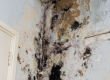
How sure are you that the air your family breathes at home is truly safe? Mold often grows quietly behind walls, under flooring, or in damp corners, releasing spores long before you ever see a dark stain or smell that musty odor. Effective mold inspection is not just about finding visible spots on the ceiling; it is about uncovering hidden moisture problems, identifying airborne contaminants, and understanding how those issues might affect the health of everyone in your household.
In a warm, humid region like Tampa Bay, mold has the perfect environment to thrive. Daily activities such as cooking, showering, and running the air conditioner can all add to indoor moisture levels, and even a small roof leak or plumbing drip can create a hidden breeding ground. When mold goes undetected, it can worsen allergies, trigger asthma, and contribute to ongoing respiratory issues, especially in children, older adults, and anyone with a weakened immune system. That is why a thorough, well-planned mold inspection is one of the smartest steps you can take to protect your family and preserve the value of your home.
Effective mold inspection is far more than a quick glance and a spray of cleaner. It requires a systematic approach: assessing your home’s risk factors, using specialized tools to detect moisture and spores, and interpreting lab results to understand what is really happening in your indoor environment. Tampa Bay Mold Testing focuses on this complete picture, helping homeowners turn vague concerns into concrete information and actionable steps. When you know exactly what you are dealing with, you can make informed decisions to keep your family safer and your home healthier.
Why Mold Is A Serious Family Risk
Mold is a natural part of our environment, but when it grows unchecked indoors, it becomes a serious concern. Many people underestimate mold, thinking of it as a simple cosmetic issue or something a quick cleaning product can handle. In reality, mold spores can spread through the air, land on damp surfaces, and begin to colonize areas you rarely see. Over time, these colonies can release more spores and byproducts into the air, which your family then breathes in every day.
Health effects are often gradual, which makes them easy to dismiss. A child’s constant congestion, your lingering cough, or your partner’s frequent headaches might not immediately be linked to mold exposure. However, mold can aggravate asthma, intensify allergies, and in some cases contribute to more serious respiratory problems. People with compromised immune systems, such as the elderly or those with chronic conditions, are particularly vulnerable. Effective mold inspection helps connect these health dots by showing whether mold is present, where it is hiding, and how widespread the problem might be.
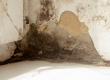
In Tampa Bay, the combination of high humidity, frequent rain, and storm events increases the risk of hidden moisture damage. Roof leaks after a summer storm, condensation on poorly insulated ducts, or minor flooding that was never fully dried can all leave behind damp building materials. These materials, like drywall, insulation, and carpeting, are prime food sources for mold. Without a detailed inspection that looks beyond the surface, these hidden damp spots can continue to fuel mold growth out of sight, quietly impacting the air your family breathes.
What A True Mold Inspection Involves
A true mold inspection goes far beyond pointing at visible spots. It starts with a detailed conversation about the home and the people living in it. A qualified inspector from Tampa Bay Mold Testing will typically ask about any past water damage, musty odors, recurring health complaints, or rooms that feel damp or stuffy. This background helps focus the inspection on areas of highest concern and ensures that the process is tailored to your specific home and family needs.
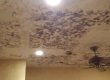
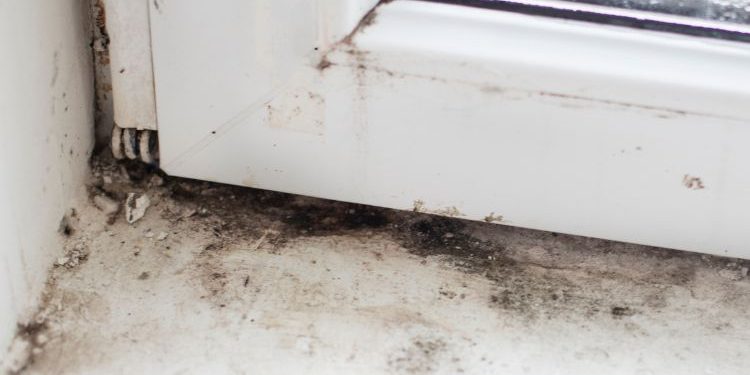
Next comes a visual assessment, but not just a quick walk-through. The inspector methodically examines ceilings, walls, baseboards, windows, bathrooms, kitchens, and HVAC components, looking for subtle signs of moisture or past water intrusion. Staining, bubbling paint, warped flooring, or rust on metal components can all hint at an underlying moisture issue. In many Tampa Bay homes, problem areas are found around windows, in attics with poor ventilation, or behind kitchen and bathroom fixtures where small leaks may have gone unnoticed.
However, the most effective mold inspections do not stop at what the eye can see. Specialized tools such as moisture meters and thermal imaging cameras help detect dampness inside walls, under flooring, or around ductwork. Air sampling and surface sampling can provide additional information by capturing spores and having them analyzed in a laboratory. These data points help distinguish between normal background mold levels and a genuine indoor contamination problem. The result is a clear, evidence-based picture of your home’s mold situation, not just a guess based on a few visible spots.
Key Trouble Spots In Tampa Bay Homes
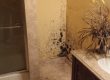
While every house is unique, certain areas in Tampa Bay homes tend to be mold hotspots. Bathrooms are one of the most common trouble spots because of daily steam and inadequate ventilation. When exhaust fans are weak, missing, or rarely used, moisture lingers on walls and ceilings. Over time, this can lead to peeling paint, dark spotting on grout, and mold growth in corners or behind tile. An effective inspection does not just note the visible mold; it also evaluates whether ventilation is sufficient to prevent the problem from recurring.
Another common area of concern is the air conditioning system. In a hot, humid climate, AC units work hard almost year-round. Condensation on coils and inside ducts, combined with dust and debris, can create environments where mold can grow and then be distributed throughout the home. Inspectors often examine the air handler, drain pans, and accessible ductwork for signs of moisture, mold, and drainage issues. Addressing AC-related mold is critical because it can impact every room your family uses, even if only one part of the system has a problem.
Attics, crawl spaces, and areas near the foundation also deserve special attention. Roof leaks, poor insulation, or inadequate ventilation can allow moisture to build up in attics, leading to mold on rafters and insulation. Around the foundation, heavy rains or poor drainage can cause dampness that seeps into walls or crawl spaces. Tampa Bay Mold Testing focuses on these often-overlooked areas because they can become sources of mold that eventually affect the living spaces where your family spends most of their time.
How Mold Testing Protects Your Family
Mold testing is the analytical side of mold inspection, and it plays a crucial role in protecting your family. While a visual inspection identifies obvious problem areas, testing provides measurable data. Air samples can reveal the types and concentrations of mold spores present in your home’s air. Surface samples can confirm whether a suspicious stain is actually mold and what kind it is. This information helps distinguish between normal environmental mold and a significant indoor source that requires attention.
Understanding mold types matters because some species are more likely to cause health problems than others, especially for sensitive individuals. When a laboratory analyzes your samples, it can identify specific molds present and their relative levels. Tampa Bay Mold Testing then interprets these results in the context of your home and family. For example, if a family member has asthma, even moderate levels of certain molds may be a concern. If results show elevated mold counts compared to outdoor air, it suggests that mold is actively growing indoors and needs to be addressed.
Perhaps most importantly, mold testing provides a baseline and a way to verify that remediation efforts have worked. After cleanup or repairs, follow-up testing can confirm that mold levels have returned to normal and that the indoor environment is safer. This reassurance is especially important for families with young children, elderly relatives, or anyone with health conditions. Instead of guessing, you have clear evidence that your home’s air quality has improved, and you can move forward with greater confidence.
Prevention Strategies For Tampa Bay Families
While professional mold inspection and testing are essential when you suspect a problem, prevention should be part of your everyday routine. In Tampa Bay’s humid climate, controlling moisture is the single most effective way to reduce mold risk. Keep indoor humidity between 30% and 50% by using air conditioning and, if necessary, dehumidifiers in damp areas like basements or enclosed porches. Simple habits, such as using exhaust fans during and after showers or cooking, can significantly reduce moisture buildup.
Regular home maintenance also plays a big role. Inspect your roof periodically for missing shingles or damaged flashing, and check around windows and doors for signs of leaks. Clean gutters and downspouts so that rainwater is directed away from the foundation instead of pooling near your home. Inside, pay attention to small plumbing leaks under sinks, around toilets, or behind appliances. A slow drip may seem minor, but over weeks or months it can saturate building materials and create an ideal environment for mold.
It is also wise to be proactive after any water-related event, such as a plumbing failure, storm surge, or flooding from heavy rain. Dry affected areas as quickly as possible, ideally within 24 to 48 hours. Remove wet carpets, padding, and porous materials that cannot be thoroughly dried. If the water damage is extensive, contact professionals promptly to manage the drying and cleanup process. Tampa Bay Mold Testing can then perform a follow-up inspection to ensure that hidden moisture and mold are not lingering behind walls or under flooring, where they could later threaten your family’s health.
Choosing The Right Mold Inspection Partner
Selecting a qualified mold inspection company is an important decision for your family. You want more than a quick visit and a generic report; you need a partner who takes the time to understand your home, your concerns, and your health priorities. Look for a company that specializes in mold inspection and testing, uses professional-grade tools, and works with accredited laboratories. Experience with Tampa Bay’s climate and building styles is particularly valuable, because local knowledge helps pinpoint common problem areas and typical moisture patterns.
Transparency is another key factor. A trustworthy inspector will explain each step of the process, from the initial walk-through to the placement of air sampling devices and the interpretation of lab results. You should feel comfortable asking questions and receiving clear, straightforward answers. Tampa Bay Mold Testing emphasizes this open communication, ensuring that homeowners understand not only what was found, but also what it means and what next steps might be appropriate.
Finally, it is important to remember that inspection and testing are about information, not fear. The goal is to replace uncertainty with clarity so you can make informed decisions. Sometimes the results show that there is no significant mold problem, which offers peace of mind. Other times, they highlight issues that can be addressed through remediation, repairs, or improved ventilation. In every case, having accurate data and expert guidance helps you better protect your family and your home.
Frequently Asked Questions
How do I know if I need a professional mold inspection? You should consider a professional inspection if you notice persistent musty odors, recurring respiratory symptoms in your family, unexplained staining or discoloration on walls or ceilings, or if you have had recent water damage from leaks, storms, or plumbing issues. Even if you cannot see visible mold, hidden growth behind walls or under flooring is common in humid areas like Tampa Bay. A professional inspection from Tampa Bay Mold Testing can uncover problems that a simple visual check might miss and provide clear guidance on what to do next.
Can I test for mold myself with a store-bought kit? Do-it-yourself kits may seem convenient, but they often provide limited and sometimes misleading information. Mold spores are present almost everywhere, so a positive result from a simple plate test does not necessarily mean you have a serious indoor problem. Professional testing includes controlled air and surface sampling, comparison with outdoor levels, and detailed laboratory analysis. Just as important, a trained inspector interprets the results in the context of your home’s conditions, giving you a meaningful picture rather than a vague indication.
Is mold inspection safe for my children and pets? Yes, mold inspection and testing are non-invasive and safe for your entire household. Inspectors may use tools like moisture meters, thermal cameras, and air pumps for sampling, but these do not pose any risk to people or animals. In some cases, you may be advised to stay out of certain areas during sampling to avoid disturbing dust, but your family can generally remain in the home. The purpose of the inspection is to make your home safer by identifying and addressing potential mold-related risks.
What happens if mold is found in my home? If mold is confirmed, the inspection and test results will help determine the scope and severity of the problem. For small, localized issues, targeted cleaning and fixing the underlying moisture source may be sufficient. For more extensive contamination, professional remediation may be recommended to safely remove affected materials and prevent spores from spreading. Tampa Bay Mold Testing can provide a clear report outlining the findings and suggesting appropriate next steps, and after remediation, follow-up testing can confirm that mold levels have returned to normal.
How often should I have my home inspected for mold? There is no one-size-fits-all schedule, but many families in Tampa Bay choose to have an inspection when buying a home, after significant water events, or if new health symptoms or odors arise. If your home has a history of leaks, flooding, or high humidity, periodic inspections can be a smart preventive measure. Regular attention to moisture control and prompt response to any water issues, combined with professional inspections when concerns arise, offers strong protection for your family’s health and your home’s long-term condition. For more information, you can visit null.