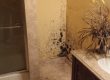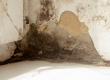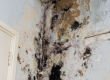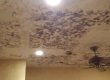
The first sign is often something small: a faint musty odor when you walk into the bedroom, a patch of discoloration near an air vent, or a family member who always seems to have a stuffy nose at home but feels better when they leave. In a humid region like Tampa Bay, these little clues can point to a bigger hidden problem: mold growth inside walls, under flooring, in the attic, or within the HVAC system. Because mold does not always appear as obvious black spots on the wall, many homeowners live for months or even years with contaminated indoor air without realizing that their living space is quietly affecting their health and comfort.
Environmental mold testing is the process of investigating and measuring mold presence in your home or property, both on surfaces and in the air, to determine whether levels are normal or potentially harmful. It is not guesswork, and it is not simply looking around for visible growth. Instead, it involves a systematic approach using professional tools, sampling methods, and laboratory analysis to understand what types of mold are present, how concentrated they are, and where they may be originating. For families who want safe living spaces, especially in moisture-prone areas like the Tampa Bay region, mold testing is a key step in protecting both their home and their health.
Companies such as Tampa Bay Mold Testing exist specifically because the local climate creates perfect conditions for mold: frequent rain, high humidity, warm temperatures, and homes sealed tightly for energy efficiency. When environmental mold testing is performed correctly, it can uncover hidden moisture problems, confirm whether suspicious spots are actually mold, and guide targeted remediation instead of guess-and-check cleaning. The result is not just a cleaner house, but a living environment where you can breathe more easily, sleep more soundly, and feel confident that the air surrounding your family is as safe as possible.
Why Mold Testing Matters
Many people assume that mold is only a concern when it is visibly spreading across walls or ceilings. In reality, mold spores are microscopic and can be present in high concentrations long before you see any obvious staining or growth. These spores travel through the air, settle on surfaces, and enter your respiratory system with every breath. For individuals with asthma, allergies, compromised immune systems, or respiratory sensitivities, this invisible exposure can contribute to chronic symptoms such as coughing, wheezing, sinus congestion, and headaches. Environmental mold testing offers a way to quantify this hidden exposure so you are not relying on guesswork or waiting for serious health complaints to appear.
Another important reason mold testing matters is that it helps distinguish between everyday background mold and problematic contamination. All homes, even very clean ones, will have some mold spores in the air, especially in a coastal climate like Tampa Bay. The goal is not to reach zero, which is impossible, but to ensure that levels are within a normal range and that no particularly harmful species are dominating the environment. By taking air and surface samples and sending them to an accredited lab, Tampa Bay Mold Testing can provide a clear comparison between your home and typical outdoor levels, along with identification of specific species like Aspergillus, Penicillium, Stachybotrys, and others.
In addition, mold testing plays a crucial role in real estate transactions, rental disputes, and insurance claims. Buyers want to know whether a property they are investing in has hidden moisture damage behind fresh paint or new flooring. Tenants may suspect that recurring leaks or musty odors are affecting their health. Insurance companies often require documented evidence of mold conditions before approving certain claims. Having objective, professionally collected data from a company experienced in the Tampa Bay area can make the difference between speculation and proof, helping all parties make informed decisions about repairs, negotiations, or legal steps.
Common Mold Sources At Home
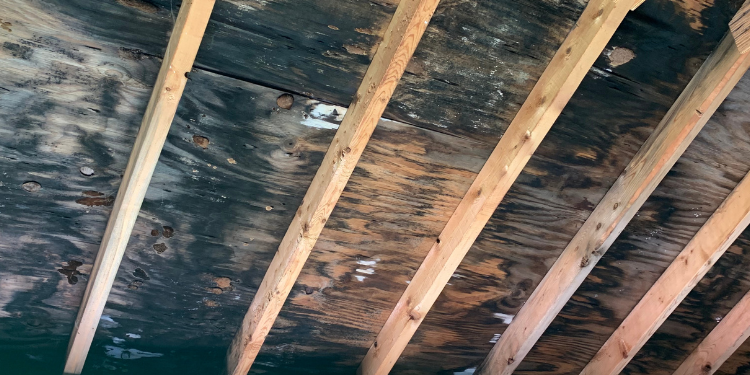
To understand why environmental mold testing is sometimes essential, it helps to know where mold problems typically begin. In many Tampa Bay homes, roof leaks are a major source. Even a small breach in roofing materials can allow water to seep into attic insulation and wood framing, creating a dark, warm, and damp environment where mold thrives. Because attics are rarely inspected closely, mold can spread over rafters and decking for months before anyone notices. Environmental testing can reveal contaminated air drifting from the attic into living spaces or identify spores entering through recessed lights and vents.
Plumbing leaks are another frequent culprit. A slow drip under a kitchen sink, a poorly sealed shower pan, or a leaking supply line inside a wall can saturate drywall and subflooring. While the visible surface may look fine, the backside can host growing colonies of mold. Over time, this hidden growth releases spores that migrate into rooms and HVAC systems. Tampa Bay Mold Testing often uses surface sampling and targeted air testing near suspect areas to determine whether moisture damage has become a mold hazard, helping homeowners decide whether localized repairs or broader remediation is required.
HVAC systems and ductwork also play a surprisingly large role in mold issues. Condensation on cooling coils, clogged drain pans, and poorly insulated ducts in humid attics can all encourage mold growth inside the system that is supposed to be delivering clean, conditioned air. When that happens, every time the AC turns on, it can distribute spores throughout the home. Environmental mold testing can include sampling at supply vents and in return air paths to see whether the HVAC system is contributing to contamination. If testing shows elevated levels linked to the system, cleaning, maintenance, and sometimes duct repair or replacement become part of the solution for achieving a safer living environment.
How Professional Mold Testing Works
Professional environmental mold testing follows a structured process designed to gather accurate, representative data rather than quick, one-off samples. The first step is a detailed visual and moisture inspection. A trained inspector from Tampa Bay Mold Testing will walk through the property, asking about any past leaks, musty odors, or health complaints, and then systematically checking common problem areas. Moisture meters and infrared cameras may be used to detect dampness inside walls, ceilings, and floors that is not visible on the surface. This inspection guides where to collect samples so the testing is targeted and meaningful.
Next, the inspector will select appropriate sampling methods. Air sampling is one of the most common approaches. Special pumps draw a measured volume of indoor air across a collection medium, capturing mold spores for later analysis under a microscope. Typically, multiple indoor samples are taken in different rooms, along with at least one outdoor sample for comparison. Surface sampling is also useful, especially when there are visible spots or suspect materials. This can involve adhesive tape lifts, swabs, or bulk samples taken from materials like drywall or insulation. Each sample is carefully labeled, documented, and handled according to strict protocols to preserve its integrity.
After collection, the samples are sent to an accredited laboratory where trained analysts identify the mold types present and count the number of spores. The lab then issues a report detailing spore counts by type for each sample. Tampa Bay Mold Testing interprets this data in the context of your home, explaining what the numbers mean, whether levels are elevated, and which areas are of greatest concern. Rather than simply handing you a lab report full of technical terms, a professional tester will walk you through the findings and answer questions so you understand what steps, if any, should be taken next.
Interpreting Results And Next Steps
Lab reports from environmental mold testing can look intimidating at first glance, with lists of species names and numerical counts. What truly matters is how those numbers compare to outdoor baseline levels and typical indoor ranges. If indoor counts are similar to or lower than outdoor levels, and no problematic species are dominant, the environment is usually considered normal. However, if indoor counts are significantly higher than outdoors, or certain species associated with water damage and indoor growth are present in large numbers, that suggests an ongoing or past moisture problem that needs attention.
Tampa Bay Mold Testing will usually categorize findings into general levels such as normal, slightly elevated, or highly elevated, and then relate those levels to specific areas in your home. For example, one room might show normal levels while another, near a past leak, shows elevated counts of Penicillium and Aspergillus. This targeted information helps you avoid unnecessary, whole-house remediation when only a specific area is affected. At the same time, it prevents you from ignoring a localized but significant problem that could worsen over time.
Once you understand the test results, the next step is developing a plan. In some cases, improving ventilation, using dehumidifiers, and addressing minor condensation issues may be enough to bring levels back to normal. In other situations, professional remediation is necessary. This can involve removing contaminated materials like drywall or carpeting, cleaning or sealing structural components, and treating affected HVAC components. After remediation, many homeowners choose to have post-remediation testing performed to verify that mold levels have returned to acceptable ranges. This final round of testing provides peace of mind and documentation that your living space is once again safe.
Prevention And Ongoing Protection
Environmental mold testing is not only about solving existing problems; it can also inform smarter prevention strategies. By understanding the specific vulnerabilities of your property, you can take steps to reduce the likelihood of mold returning. In Tampa Bay’s humid climate, this often means managing indoor humidity with properly sized air conditioning systems, dehumidifiers in problem areas like basements or enclosed porches, and good ventilation in bathrooms, kitchens, and laundry rooms. Keeping indoor humidity generally below 50–55% makes it much harder for mold to gain a foothold, even when spores are present.
Regular maintenance is another key piece of prevention. Inspecting roofs, windows, and exterior walls for signs of leaks, ensuring gutters and downspouts direct water away from the foundation, and promptly repairing plumbing issues can all prevent the kind of hidden moisture that feeds mold growth. Many homeowners in the Tampa Bay area also benefit from periodic HVAC inspections and duct cleanings, particularly in older homes or those that have experienced past water damage. By combining vigilance with timely repairs, you limit the opportunities mold has to colonize your living space.
Some property owners choose to schedule periodic environmental mold testing as a proactive measure, especially in buildings with a history of moisture problems or for families with sensitive health conditions. Working with a local specialist like Tampa Bay Mold Testing ensures that your property is evaluated with an understanding of regional weather patterns, building styles, and common problem areas. Over time, this relationship can help you maintain a consistently healthier indoor environment and respond quickly if conditions begin to change.
Choosing A Qualified Testing Partner
Not all mold testing services are the same, and the quality of your results depends heavily on the experience and methods of the company you hire. A qualified testing partner should be focused on inspection and diagnostics, not just selling remediation work. This reduces conflicts of interest and helps ensure that the recommendations you receive are based on actual findings instead of upselling. Tampa Bay Mold Testing, for example, emphasizes thorough inspections, clear communication, and unbiased reporting so homeowners can make informed decisions about any next steps.
When evaluating a mold testing provider, ask about their training, certifications, and the laboratories they use. Accredited labs follow strict standards for analysis, which improves the reliability of your results. You should also ask how many samples they typically collect, what types of tests they perform, and how they interpret findings. A good provider will tailor their approach to your property, rather than using a one-size-fits-all package, and will be willing to explain their methods in plain language.
Finally, consider how well the company communicates before, during, and after the inspection. Environmental mold testing can raise understandable concerns about health and home value, and you deserve clear, prompt answers. Look for a partner who takes time to listen to your observations, review your property’s history, and address your questions without rushing. A reliable, locally experienced company becomes more than a one-time service; it becomes a resource you can turn to whenever you need to check on the safety of your living spaces.
Frequently Asked Questions
How do I know if I need environmental mold testing? You should consider mold testing if you notice persistent musty odors, unexplained allergy or respiratory symptoms that improve when you leave home, visible staining or spots on walls or ceilings, or any history of water damage such as leaks, flooding, or plumbing failures. In Tampa Bay’s humid climate, even small moisture issues can escalate, so testing is especially useful when you suspect a problem but cannot see obvious mold. Testing is also recommended during real estate transactions, after remediation, or when tenants and landlords disagree about possible mold conditions.
Can I rely on DIY mold test kits from the store? Over-the-counter kits may seem convenient, but they often provide limited and misleading information. Most simply show that mold spores are present, which is true in virtually every home, without indicating whether levels are elevated or which species are dominant. They also lack proper control samples and professional collection techniques, so results are difficult to interpret. Professional environmental mold testing from a company like Tampa Bay Mold Testing uses calibrated equipment, standardized procedures, and accredited lab analysis, giving you meaningful data that can guide real decisions about remediation and prevention.
Is mold testing safe for my family and pets? Yes, the testing process itself is non-invasive and safe. Inspectors may use small pumps to collect air samples and take surface samples with tape, swabs, or small material pieces, but these activities do not introduce chemicals or disturb large amounts of material. In fact, environmental mold testing is an important safety measure because it helps identify hidden problems before they grow severe enough to cause more significant health risks. If highly contaminated materials are discovered, the inspector will advise on proper containment and remediation strategies to protect everyone in the home.
What happens if my test results show elevated mold levels? If your results indicate elevated levels or problematic species, the next step is to identify and correct the underlying moisture source. This may involve repairing leaks, improving drainage, addressing condensation, or servicing the HVAC system. Depending on the extent of contamination, professional remediation may be recommended to remove affected materials and clean or treat remaining structures and systems. After remediation, many homeowners choose follow-up testing to confirm that mold levels have returned to normal. Throughout this process, a knowledgeable tester will explain your options and help prioritize actions based on risk and budget.
How often should I have my home tested for mold? There is no universal schedule, but certain situations call for testing. It is wise to test after significant water events such as flooding, roof failures, or major plumbing leaks, even if repairs have already been made. Testing is also recommended when purchasing or selling a home, especially older properties or those with visible signs of moisture damage. For families with severe allergies, asthma, or immune sensitivities, periodic testing every few years, or following any leak or renovation, can provide reassurance that the indoor environment remains safe. For more information or to schedule an inspection, you can contact Tampa Bay Mold Testing through null.