More than 45% of homes in humid regions like Florida are estimated to have some form of hidden moisture problem, and mold often follows quietly behind it. What surprises many homeowners is that serious mold growth can be thriving out of sight while surfaces still look clean and normal. By the time discoloration or a musty odor becomes obvious, mold may already have been spreading inside walls, under flooring, or through your HVAC system for months. That is exactly why expert mold inspection is not just a nice-to-have service; it is a critical step in protecting your home, your health, and your peace of mind.
In the Tampa Bay area, our climate is the perfect storm for mold: warm temperatures, frequent rain, high humidity, and occasionally leaky roofs or plumbing issues. Even a small, unnoticed leak behind a cabinet can create ideal conditions for mold colonies to flourish. A professional mold inspection goes far beyond a quick glance and a sniff test. It is a systematic, science-based evaluation that uses specialized tools, sampling techniques, and building science knowledge to uncover what the naked eye cannot see. When done correctly, it gives you clear answers instead of vague guesses.
Tampa Bay Mold Testing focuses on providing that clarity. Instead of leaving you to wonder whether a stain is “just mildew” or worrying about what might be lurking in your air ducts, a thorough inspection provides evidence, measurements, and actionable recommendations. Expert mold inspection turns anxiety and speculation into a solid plan: either reassurance that your home is in good shape, or a detailed roadmap to address problems before they become bigger and more expensive. That sense of certainty is what truly brings peace of mind.
Why Mold Inspection Matters
Mold is more than an aesthetic issue. Under the right conditions, it can weaken building materials, degrade indoor air quality, and contribute to respiratory symptoms, headaches, and fatigue in sensitive individuals. In Tampa Bay’s humid environment, mold can grow on drywall, wood, insulation, and even dust and debris hidden behind furniture or appliances. Without a proper inspection, these issues can remain undetected, slowly expanding and causing long-term damage to your home and health.
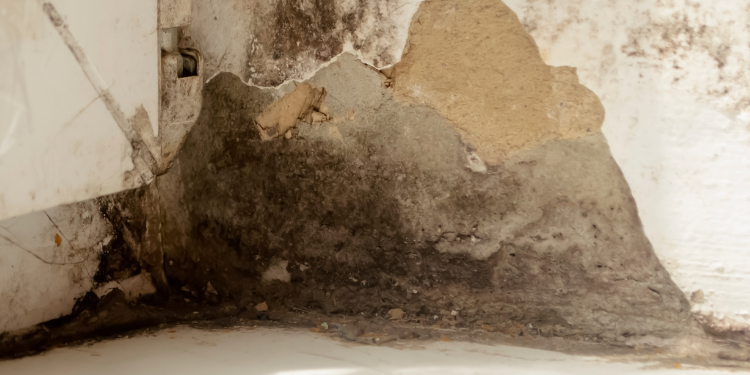
Another important factor is that not all mold problems look alike. Sometimes you will see black or green spotting on walls or ceilings, but in many cases, mold remains hidden behind paint, tile, or paneling. A musty odor might come and go with changes in humidity, making it difficult to pinpoint the source. Expert inspectors understand how moisture moves through a building and know where to look for concealed problems. They combine visual assessment with instruments and sampling techniques to get a complete picture.
For homeowners, renters, property managers, and real estate professionals, the value of a mold inspection lies in its ability to reduce uncertainty. Whether you are buying a home, dealing with a past water leak, or responding to health complaints, guessing is risky. A professional inspection from Tampa Bay Mold Testing provides documented findings that you can use to make informed decisions, negotiate repairs, or verify that remediation work was done properly. In short, it transforms a vague concern into concrete information.
What A Professional Inspection Includes
A true expert mold inspection is a multi-step process, not a quick walkthrough. It begins with a detailed conversation about the property’s history: prior leaks, roof issues, plumbing problems, flood events, or recurring condensation. This background helps the inspector focus on likely trouble spots and understand how long moisture may have been present. In the Tampa Bay region, inspectors also pay close attention to seasonal patterns, such as heavy summer rains and the impact of hurricanes or tropical storms.
Next comes a thorough visual examination of both interior and exterior areas. The inspector looks for staining, warping, bubbling paint, rust, and other signs of water intrusion. They check around windows, under sinks, near AC air handlers, in attics, and around foundations. However, the real value comes from the use of specialized tools. Moisture meters can detect elevated moisture levels inside walls and floors. Infrared cameras can reveal temperature differences that suggest hidden wet areas or insulation issues. These tools allow inspectors to see what is happening behind the surface.
Air and surface sampling may be recommended when there is a need to understand the type and level of mold present. Air samples can show whether mold spores in the indoor environment are elevated compared to typical outdoor levels, while surface samples can identify the specific mold species growing on materials. Tampa Bay Mold Testing uses accredited laboratories to analyze these samples, providing objective data rather than opinions. The final step is a written report that summarizes findings, explains what they mean, and outlines recommended next steps. This documentation is critical for planning remediation, communicating with contractors, or providing proof for insurance or real estate transactions.
Health, Comfort, And Peace Of Mind
Many people first suspect a mold issue not because of visible growth, but because of how they feel indoors. Persistent congestion, coughing, itchy eyes, or headaches that improve when leaving the home can be a warning sign for some individuals. While not everyone reacts the same way to mold, those with asthma, allergies, or compromised immune systems can be especially sensitive. For families with children or elderly members, understanding the quality of indoor air becomes a priority, not a luxury.
Expert mold inspection helps connect the dots between building conditions and potential health concerns. By identifying sources of moisture and areas of active or past mold growth, inspectors provide information that physicians or environmental health professionals can use as part of a broader evaluation. It is important to note that mold inspection is not a medical diagnosis, but it is a vital piece of the puzzle when trying to create a healthier living environment.
From a peace-of-mind perspective, the psychological impact is just as important. Living with suspicion or fear of mold can be stressful. You may find yourself constantly cleaning, running dehumidifiers, or avoiding certain rooms without knowing whether your efforts are effective. A detailed inspection from Tampa Bay Mold Testing replaces that uncertainty with clarity. Either you receive confirmation that conditions are normal, or you receive a clear plan to correct issues. In both cases, you regain control over your environment and your decisions.
Tampa Bay’s Unique Mold Challenges
The Tampa Bay area presents a specific set of mold-related challenges that differ from drier regions. High outdoor humidity means that even without leaks, indoor moisture can rise if air conditioning is not properly sized or maintained. When warm, moist air enters a cool building, condensation can form on ducts, windows, and other surfaces, providing the moisture mold needs to grow. Additionally, frequent storms and wind-driven rain can cause subtle water intrusion around roofs, windows, and stucco cracks that go unnoticed until mold appears.
Coastal properties, in particular, may face additional issues due to salt air and persistent humidity. Vacation homes or seasonal properties that sit closed up for part of the year are especially vulnerable. Without regular air circulation and humidity control, these homes can develop significant mold problems between visits. Tampa Bay Mold Testing understands these regional patterns and tailors inspections to address the most common local risk factors, such as poorly vented attics, older roofs, and aging HVAC systems.
Another local concern is post-storm damage. After a tropical storm or hurricane, water may infiltrate through roof damage, siding, or window seals. Even if surface water is cleaned up quickly, trapped moisture in cavities can linger. Expert inspectors know how to look beyond the obvious, checking attic spaces, wall cavities, and insulation for signs of hidden damage. This is especially important when filing insurance claims or verifying that restoration work was completed correctly and thoroughly.
From Findings To Actionable Solutions
An inspection report is only useful if it leads to clear, practical steps. A quality mold inspection does not just say “Yes, there is mold” or “No, there is not.” Instead, it explains where moisture is coming from, which materials are affected, and what level of contamination is present. The report from Tampa Bay Mold Testing is designed to be understandable even if you are not a building professional, while still detailed enough for contractors and remediation specialists to use as a guide.
Typically, recommendations will focus on two key objectives: remove or remediate existing mold-affected materials, and correct the underlying moisture problem. This might involve repairing plumbing leaks, improving drainage around the foundation, sealing roof penetrations, or adjusting HVAC settings and ductwork. Sometimes, simple changes in ventilation or dehumidification can make a significant difference in preventing mold from returning.
Importantly, a professional inspection helps you avoid unnecessary or inappropriate work. Without clear data, some homeowners end up paying for broad, costly treatments that may not address the real source of the problem. A targeted, evidence-based plan can save money in the long run by focusing efforts where they are truly needed. It also provides a way to verify that work was successful, through follow-up inspections or additional sampling if appropriate.
Choosing The Right Mold Inspector
Not all mold inspections are equal. When selecting a company in the Tampa Bay area, look for inspectors who specialize in mold and indoor air quality rather than treating it as a side service. Training, certifications, and experience with local building types and climate conditions are critical. An inspector should be able to explain their methods clearly, discuss the tools they use, and walk you through what to expect before, during, and after the visit.
Independence is another important consideration. Ideally, the company that inspects and tests for mold should not be the same company that performs remediation. This reduces potential conflicts of interest and ensures that recommendations are based on your actual needs, not on selling additional services. Tampa Bay Mold Testing focuses on inspection and testing, providing unbiased information so you can choose any qualified remediation contractor you prefer.
Communication style also matters. A good inspector will take time to answer your questions, review findings with you, and help you understand the implications. They should not rely on scare tactics or vague statements. Instead, they should provide clear, written documentation and be available to clarify details after the inspection. When you feel informed and respected throughout the process, the result is not only better technical outcomes, but also greater peace of mind.
Frequently Asked Questions
How do I know if I really need a mold inspection? You may want a mold inspection if you notice persistent musty odors, have had past water damage, see unexplained spots or staining, or experience health symptoms that seem to improve when you leave your home or office. In the Tampa Bay climate, even small leaks or repeated condensation can justify an inspection, especially if they have been ongoing. Many people also schedule inspections before buying a property, after a major storm, or to verify that previous remediation work was successful.
Can I test for mold myself with a store-bought kit? Over-the-counter mold kits can be misleading because mold spores are present almost everywhere, indoors and out. Simply growing mold in a petri dish does not tell you how much is present, where it is coming from, or whether it is at an elevated level compared to normal background conditions. Professional inspections by Tampa Bay Mold Testing use controlled sampling methods, calibrated equipment, and accredited laboratories, providing context and interpretation that DIY kits cannot offer. This professional approach leads to more accurate conclusions and better decision-making.
What happens if mold is found during the inspection? If mold is identified, the inspection report will describe the affected areas, probable moisture sources, and recommended next steps. This may include specific suggestions for moisture control, material removal, and cleaning methods. The inspector does not perform the remediation but provides the information you need to obtain accurate quotes and proper service from remediation contractors. In many cases, addressing the moisture issue and following a focused remediation plan can resolve the problem effectively and prevent it from returning.
Is mold inspection covered by insurance? Coverage varies widely by policy and by the cause of the mold growth. Some insurance policies may cover mold-related damage if it results from a sudden, covered event such as a burst pipe, while others may exclude mold altogether. An inspection report from Tampa Bay Mold Testing can be useful documentation when discussing coverage with your insurance company, as it details the extent of damage and identifies likely causes. It is always wise to review your policy and speak with your insurer directly for specific guidance.
How often should I have a mold inspection done? There is no universal schedule, but certain situations call for more frequent inspections. If you live in an older home, have had repeated moisture issues, or own a coastal or seasonal property in the Tampa Bay area, periodic inspections can be a smart preventive measure. Many people choose to inspect after major storms, significant renovations, or changes in occupancy. The goal is not to test constantly, but to use inspections strategically whenever conditions suggest a potential risk or when you need clear, documented answers. For more information about scheduling an inspection, you can visit null.