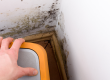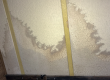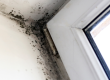
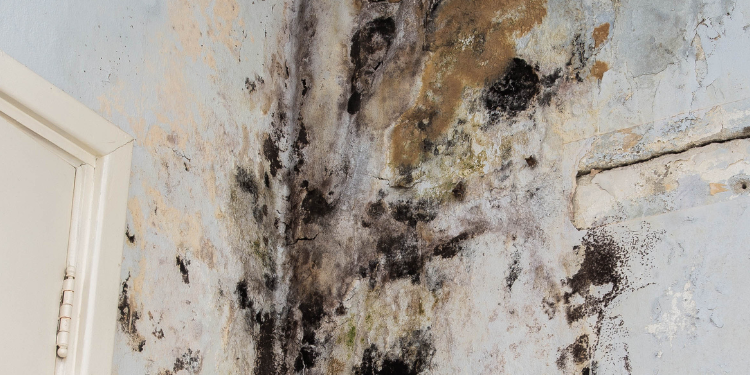
Most people think mold detection is as simple as spotting a few dark stains in the bathroom or catching a musty odor in the hallway. If they do not see obvious fuzz on the wall or smell something strong, they assume their home is in the clear. The problem is that mold does not play by those rules. It often hides behind walls, under flooring, inside air conditioning systems, and in other concealed spaces where you will never see it until damage is extensive or someone in the home starts feeling sick.
Another misconception is that a cheap DIY test kit from the hardware store is enough to determine whether a home is safe. These kits usually tell you little more than what you already know: mold spores exist in the air. They rarely identify what type of mold is present, how concentrated it is, or where it is coming from. In a humid region like Tampa Bay, where moisture problems are common, these oversimplified approaches can lead homeowners into a false sense of security. Effective mold detection for a healthy home requires a more systematic approach, combining visual inspection, moisture evaluation, air and surface testing, and professional judgment from experienced inspectors like Tampa Bay Mold Testing.
Understanding mold detection methods is not just about avoiding ugly spots on walls; it is about protecting respiratory health, preserving your home’s structure, and preventing long-term issues that can be expensive to fix. By learning how mold is actually found, what different tests reveal, and when it is time to call in professionals, you can make informed decisions instead of guessing. The goal is not to live in a sterile, spore-free bubble (which is impossible), but to keep mold growth under control so your home remains a safe place to breathe, sleep, and live.
Why Mold Detection Matters
Mold detection is ultimately about risk management. Mold spores are everywhere in the environment, but problems start when they find moisture and a food source and begin to colonize. Inside a home, that colonization can trigger or worsen allergies, asthma, sinus problems, and other respiratory issues. Children, older adults, and people with compromised immune systems are especially sensitive. If you or someone in your household experiences unexplained congestion, coughing, headaches, or fatigue that improves when you leave the house, undetected mold may be part of the picture.
Beyond health, mold detection is a structural issue. Mold feeds on organic materials like drywall paper, wood framing, insulation, and even some types of carpet backing. Over time, this can weaken materials, cause staining, and lead to odors that are difficult to remove. Hidden mold behind walls or under flooring can spread far from the original moisture source, so by the time it becomes visible, the affected area may be much larger than it appears. Early detection allows for targeted, less invasive remediation instead of major demolition.
In the Tampa Bay area, climate makes detection even more important. High humidity, frequent rain, and heavy use of air conditioning create a perfect environment for moisture problems. Condensation on ductwork, small roof leaks after storms, or plumbing drips inside wall cavities can all create micro-environments where mold thrives out of sight. Tampa Bay Mold Testing focuses on these regional realities, using detection methods that account for local building styles, common leak points, and typical indoor humidity patterns. Accurate detection is the first step in breaking the cycle of recurring mold issues.
Visual Inspection Done Right
Visual inspection sounds simple, but a thorough mold inspection is much more than a quick walk-through. A trained inspector looks for subtle clues: slight discoloration on baseboards, bubbling or peeling paint, warped trim, or faint yellow or brown water stains on ceilings and walls. These signs may indicate past or ongoing moisture intrusion, even if mold growth is not yet obvious. Areas around windows, sliding doors, and exterior walls often receive special attention, as they are common points of water entry in Florida homes.
Lighting and access matter, too. Inspectors often use bright flashlights or headlamps to examine dark corners of closets, under sinks, behind appliances, and inside HVAC closets. In bathrooms, they check caulking, tile grout, and the edges of shower enclosures. In kitchens, the areas under sinks, behind dishwashers, and near refrigerator water lines are prime spots. Attics and crawl spaces are checked for roof leaks, poor ventilation, and condensation issues. A good visual inspection is methodical, not rushed, and it follows the pathways where water is most likely to travel.
In many Tampa Bay homes, mold problems are tied to air conditioning systems. Inspectors will often look carefully at supply vents, return grills, and the air handler or furnace cabinet for signs of microbial growth, condensation, or standing water in drain pans. Dust combined with moisture in ductwork can provide a breeding ground for mold that then circulates spores throughout the home. Visual inspection of these components, combined with moisture and temperature checks, helps determine whether the HVAC system is contributing to indoor mold concerns.
Moisture And Humidity Assessment
Because mold cannot grow without moisture, detecting where water is present or has been present is central to any serious mold investigation. Moisture meters are one of the primary tools used by professionals like Tampa Bay Mold Testing. These devices measure the moisture content of building materials such as drywall, wood, and concrete. By scanning walls, ceilings, and floors, an inspector can identify areas with elevated moisture that may not show visible damage yet. This often reveals slow leaks from plumbing, window failures, or roof penetrations.
Infrared (thermal) cameras are another powerful detection tool. They do not see mold directly, but they highlight temperature differences that may indicate moisture. For example, a wet section of wall might appear cooler than surrounding dry areas. By scanning large surfaces, an inspector can quickly identify unusual temperature patterns and then confirm with a moisture meter. This combination of tools allows for targeted investigation behind walls or under flooring without randomly cutting into materials.
Humidity is also a major factor in mold growth. In the Tampa Bay climate, indoor relative humidity that consistently stays above about 60 percent can encourage mold on surfaces and within materials, even without liquid water leaks. Inspectors often use hygrometers to measure indoor humidity in different rooms and at different times. They evaluate whether air conditioning systems are properly dehumidifying and whether ventilation is sufficient in bathrooms, kitchens, and laundry rooms. Identifying and correcting humidity issues is a preventative form of mold detection: you are not just finding existing growth, but reducing the conditions that allow it to start.
Air Sampling And What It Reveals
Air sampling is one of the most discussed and misunderstood mold detection methods. Many homeowners assume that air tests alone can provide a simple “pass” or “fail” for their home’s air quality. In reality, air sampling is a useful tool when used correctly and interpreted in context. During an air test, a calibrated pump draws a measured amount of air through a cassette or onto a slide. The sample is then analyzed under a microscope by a laboratory to identify and count different types of mold spores.
The main value of air sampling is comparison. A professional will typically collect at least one outdoor sample and one or more indoor samples. The outdoor sample provides a baseline of what is naturally present in the environment at that moment. Indoor results are then compared to this baseline. If indoor spore counts are significantly higher than outdoor levels for certain mold types, or if species are present indoors that are not found outdoors, that suggests an indoor source of mold growth.
Air sampling is especially helpful when there are health complaints but little visible mold, or when you want to evaluate whether remediation has successfully reduced airborne spores. However, it has limitations. Mold spores can be released in bursts, and air currents can cause uneven distribution, so a single sample is just a snapshot in time. That is why Tampa Bay Mold Testing combines air sampling with visual inspection, moisture assessment, and sometimes surface sampling to build a full picture rather than relying on air data alone.
Surface Sampling And Hidden Growth
While air sampling focuses on what is floating around, surface sampling targets what is actually growing on materials. When an inspector sees suspicious staining or discoloration, they may take a tape lift or swab sample. A clear adhesive tape is pressed onto the surface and then placed on a microscope slide, or a sterile swab is rubbed over the area and sent to a lab. The laboratory can then determine whether the material is mold, what type it is, and sometimes whether the growth is active.
Surface sampling is particularly helpful when materials show ambiguous signs. For example, dust, dirt, and soot can sometimes mimic mold staining. A lab-confirmed sample removes guesswork. Knowing the mold type can also inform risk assessment. Some molds are more likely to be associated with water damage and long-term moisture issues, while others are common outdoor molds that may have simply settled indoors. This information can influence the urgency and scope of remediation.
In hidden or partially accessible areas, bulk sampling may be used. This involves removing a small piece of material, such as a section of drywall or insulation, for laboratory analysis. While more invasive, it can be necessary when there is strong suspicion of hidden mold based on odors, moisture readings, or health symptoms, but no clear visual confirmation. Tampa Bay Mold Testing uses these methods selectively, balancing the value of the information gained against the disruption to the home.
When And Why To Call Professionals
Homeowners can and should perform basic mold checks: staying alert to musty odors, watching for new stains after storms, monitoring indoor humidity, and fixing minor leaks quickly. However, there are clear situations where professional mold detection is the safer and more reliable option. If you suspect hidden mold because of persistent smells, unexplained health issues, or previous water damage that was not properly dried, a trained inspector can investigate systematically rather than guessing or tearing into walls at random.
Professional inspectors bring specialized tools, but they also bring experience interpreting what those tools reveal. Two homes might show similar moisture readings, but an experienced professional recognizes patterns that suggest a long-term leak versus a recent spill. They understand local building practices in Tampa Bay, which helps them anticipate where moisture commonly accumulates in block construction, stucco exteriors, or older homes with retrofitted air conditioning systems. This context turns data into actionable recommendations.
Another reason to involve professionals is documentation. If you are dealing with an insurance claim, a real estate transaction, or a landlord-tenant dispute, a written inspection report from a company like Tampa Bay Mold Testing can be critical. These reports typically include photos, moisture readings, test results, and clear explanations of findings. They also outline recommended next steps, which might include targeted remediation, further invasive investigation in specific areas, or improvements to ventilation and humidity control. Proper detection and documentation set the stage for effective solutions instead of temporary fixes.
Frequently Asked Questions
Can I rely on a store-bought mold test kit? Store-bought kits often grow mold on a petri dish, but that does not tell you much. Because mold spores are everywhere, almost any dish left open will show growth. These kits rarely identify mold types accurately, do not measure spore levels in the air, and do not help you find the source of moisture or growth. For a healthy home, the crucial information is where mold is coming from, how extensive it is, and what conditions are allowing it to thrive. That level of detail typically requires professional inspection and laboratory analysis coordinated by a company such as Tampa Bay Mold Testing.
How do I know if I need professional mold testing? Consider professional testing if you smell persistent musty odors, see recurring stains or spots that return after cleaning, or have had water damage from leaks, flooding, or storms. You should also consider it if household members have ongoing respiratory symptoms that improve when they leave the home. In the Tampa Bay area, any significant roof leak, AC drain backup, or plumbing issue is a reason to at least evaluate whether mold may have developed. If you are buying or selling a home and there is a history of moisture problems, a professional mold assessment adds valuable peace of mind.
Is visible mold always dangerous? Not all visible mold growth presents the same level of risk, but any mold growing indoors indicates a moisture problem that should be addressed. Some common molds are less likely to cause severe reactions in healthy individuals, while others can be more problematic, especially for sensitive people. The challenge is that you cannot reliably judge risk by color or appearance alone. Even “minor” mold growth can release spores and fragments into the air. Professional detection helps determine what type of mold is present, how extensive the problem is, and what steps are needed to protect both health and property. You can learn more about professional approaches at null.
Can I just clean mold with bleach and be done? Bleach may remove surface staining on non-porous materials, but it does not fix the underlying moisture issue, and it often does not fully penetrate porous materials like drywall, wood, or fabric. As a result, mold can return quickly. In some cases, using bleach on porous surfaces can even worsen the problem by adding moisture. Effective mold management starts with detection: understanding where moisture is coming from, how far mold has spread, and which materials are affected. Only then can you decide whether cleaning, removal, or professional remediation is appropriate.
How often should I have my home checked for mold? There is no universal schedule, but many homeowners in humid areas like Tampa Bay benefit from periodic checks, especially if their homes have a history of leaks or humidity issues. At minimum, consider a professional mold assessment after any significant water event, such as a roof leak, plumbing failure, or indoor flooding. Otherwise, stay vigilant with your own routine inspections: monitor for odors, stains, and high humidity. If anything seems off or you are unsure, scheduling an inspection with Tampa Bay Mold Testing can provide clarity before a small issue becomes a major problem.