How do you really know which mold analysis service will give you clear, trustworthy answers instead of vague reports and more confusion? When you’re worried about your home’s air quality or strange spots on the walls, the last thing you need is a company that guesses, rushes, or oversells. Choosing mold analysis services effectively is not about picking the first name you see online; it’s about understanding what separates a thorough, science-driven inspection from a quick, superficial glance.
In a climate like Tampa Bay, FL, where humidity is high and moisture problems are common, the stakes are even higher. Mold can hide in wall cavities, under flooring, in attics, or inside HVAC systems. The right mold analysis is more than a simple “yes or no” test. It should explain what type of mold is present, how widespread it is, what may be causing it, and what steps are needed to correct the issue. Companies like Tampa Bay Mold Testing exist to answer these questions with precision, but you still need to know how to evaluate them.
Instead of treating mold testing as a commodity, think of it as a professional diagnostic service, like a medical exam for your home or business. Not all tests, tools, or inspectors are equal. The way samples are collected, the type of lab used, the way results are interpreted, and the honesty of the recommendations all determine whether you get real solutions or just paperwork. The following guide walks through how to choose mold analysis services effectively in the Tampa Bay area so you can protect your property, your health, and your wallet.
Know Why You Need Testing
Before you even call a mold analysis company, get clear on why you think you need testing. Are you seeing visible mold growth, smelling a musty odor, or experiencing unexplained allergies or respiratory issues indoors? Are you buying or selling a property and want peace of mind? Your reason for testing affects what kind of analysis will be most useful. For example, unexplained health symptoms may require more detailed air sampling, while a visible leak behind a wall might call for targeted surface and cavity sampling.
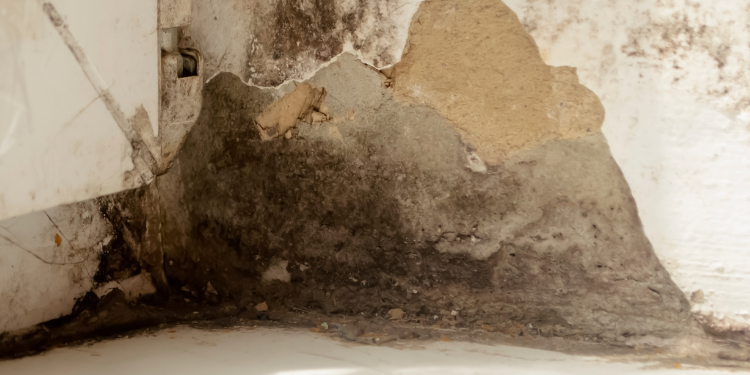
In Tampa Bay, FL, many homeowners assume any black spot is “toxic black mold” and jump straight to panic mode. A good approach is to treat visible mold as a sign of a moisture problem that needs to be understood. You might still choose to test, but you want that testing to answer specific questions: How far has it spread? What types are present? Is it affecting air quality? Tampa Bay Mold Testing and similar professionals can tailor their approach when you share a clear description of what you’re seeing, smelling, or feeling.
Another reason to clarify your goal is cost and scope. Not every situation needs a full panel of tests across every room. Sometimes a focused inspection of the most affected areas plus a couple of strategic air and surface samples can provide enough data. Other times, such as after a major water intrusion or when mold is suspected in multiple areas, a more comprehensive analysis is warranted. Understanding your “why” helps you have a productive conversation with the inspector instead of just asking for “mold testing” in general.
Verify Credentials And Independence
One of the most important steps in choosing mold analysis services effectively is checking who is actually doing the work. Mold testing should be performed by trained, certified professionals who understand building science, moisture dynamics, and sampling protocols. Look for certifications from recognized organizations in the indoor environmental or mold inspection fields. Ask what specific training your inspector has, how long they have been performing mold assessments, and whether they regularly work in humid environments like Tampa Bay.
Equally important is the independence of the company. In many cases, it is wise to separate the mold analysis from the mold remediation work. When the same company tests, finds the problem, and sells the cleanup, there can be a conflict of interest. While not every combined service is dishonest, choosing a company like Tampa Bay Mold Testing that focuses on inspection and testing can give you more confidence that the findings and recommendations are unbiased. Then, you can use those results to obtain quotes from remediation contractors, knowing the scope is based on solid data.
Do not be shy about asking for proof of licensing and insurance where applicable. In Florida, regulations around mold assessment and remediation are specific, and you want to make sure the company is compliant. A reliable mold analysis provider will explain their credentials clearly, show you documentation on request, and describe what those qualifications mean for the quality of your inspection. If a company seems evasive about qualifications or dismisses your questions, that is a sign to move on.
Understand Testing Methods And Tools
Effective mold analysis is not just about taking random air samples; it is about using the right methods for the right questions. A thorough Tampa Bay inspection might include a visual assessment, moisture mapping with meters, infrared scanning to detect hidden dampness, air sampling, surface sampling, and occasionally cavity sampling behind walls. Each method has strengths and limitations, and a professional inspector should explain why they are choosing one over another in your situation.
Air sampling, for example, can reveal what types and concentrations of mold spores are present in your indoor air compared to outside. However, air samples are just a snapshot in time and can be influenced by recent cleaning, ventilation changes, or activities like vacuuming. Surface samples can help identify what type of mold is growing on specific materials such as drywall or wood. Bulk samples, where a piece of material is collected, can provide more detailed analysis in some cases. Tampa Bay Mold Testing can combine these methods to build a complete picture rather than relying on a single test type.
Ask any mold analysis company what tools they use and how they interpret the data. Do they use calibrated moisture meters to track moisture sources? Do they employ thermal imaging cameras to find hidden leaks or wet insulation? Do they send samples to an accredited, third-party laboratory, or do they rely on quick, in-house swab kits? Professional-grade tools and reputable labs cost more, but they dramatically improve accuracy. An inspector who can show you moisture readings, thermal images, and clear sampling plans is generally more thorough than someone who walks through quickly and offers only a basic air test without context.
Evaluate The Inspection Process
The quality of your mold analysis hinges on the quality of the inspection itself. A careful, methodical process is more valuable than the sheer number of samples. When you contact a company in Tampa Bay, FL, ask what their typical inspection looks like. How long do they expect to be on site? Which areas will they examine? Will they inspect attics, crawlspaces, basements (if applicable), and HVAC systems, or only visible living areas? A rushed 20-minute walkthrough is not likely to uncover subtle moisture problems that feed mold growth.
During the inspection, the professional should ask detailed questions about your building’s history: any prior leaks, roof issues, plumbing problems, or past flooding. They may inquire about musty odors, condensation on windows, or rooms that feel more humid than others. This conversation guides where they focus their tools and sampling. For example, in Tampa Bay’s climate, inspectors often pay close attention to areas around air handlers, supply vents, and ductwork because condensation and poor drainage can foster mold growth there.
Another sign of a quality process is transparency. The inspector should explain what they are doing as they go, point out areas of concern, and show you readings or images that support their findings. If Tampa Bay Mold Testing or any other company completes an inspection without sharing observations or answering your questions, you miss a vital part of the service. A good inspection leaves you feeling informed, not confused.
Assess Reporting And Communication
Even the best sampling and inspection efforts lose value if the final report is unclear. When choosing a mold analysis service, ask to see a sample report (with personal details removed) so you can gauge the level of detail. A strong report should include a narrative summary, photos, moisture readings, descriptions of each sampled area, lab results in plain language, and specific recommendations. You want more than a chart of numbers and Latin names; you want to understand what those results mean for your property and your health.
In Tampa Bay, where humidity is a constant factor, a good report may also address contributing conditions like poor ventilation, inadequate dehumidification, or building design issues. Tampa Bay Mold Testing, for instance, should be able to explain whether your mold issues are likely to recur without changes to ventilation, drainage, or HVAC settings. Clear communication about causes and prevention is just as important as identifying the mold itself.
Do not overlook how the company communicates with you before and after the inspection. Are they responsive to calls and emails? Do they take the time to explain your options, costs, and timelines? After you receive the report, will they walk you through the findings and answer follow-up questions? Effective mold analysis is a collaborative process, and strong communication is a key part of choosing the right provider.
Compare Value, Not Just Price
It can be tempting to treat mold testing like a commodity and choose the lowest price, but this often leads to incomplete or misleading results. When you compare quotes from Tampa Bay mold analysis providers, look closely at what is included. How many areas will be inspected? How many samples are part of the base price? Are lab fees included? Will you receive a full written report, or just a verbal summary? A slightly higher cost may reflect more time on site, better equipment, and more thorough analysis.
Also, be wary of companies that use scare tactics or guarantee that they will “find mold” as a way to upsell remediation services. Mold spores are present in virtually every environment; the issue is whether levels indoors are elevated, what types are present, and whether they pose a risk. A trustworthy company such as Tampa Bay Mold Testing will focus on facts, not fear. They will explain clearly when a condition is serious and when it is manageable, and they will not pressure you into immediate remediation decisions.
Ultimately, value comes from accurate information and actionable recommendations. The cost of a high-quality mold analysis is small compared to the potential cost of unnecessary remediation, ongoing health issues, or damage from an unresolved moisture problem. When you choose a service that invests in proper training, tools, and reporting, you are investing in the long-term health of your home or business in Tampa Bay, FL.
Frequently Asked Questions
How do I know if I really need mold testing? You should consider mold testing if you notice persistent musty odors, experience unexplained allergy or respiratory symptoms indoors, see recurrent water stains or damp areas, or suspect hidden mold behind walls, under flooring, or in HVAC systems. In Tampa Bay’s humid climate, even small leaks can lead to hidden growth. Testing is especially useful when you cannot see obvious mold but have signs of moisture or health complaints, or when you need documentation for a real estate transaction, rental dispute, or insurance claim.
What is the difference between air sampling and surface sampling? Air sampling collects airborne mold spores to evaluate indoor air quality and compare it to outdoor levels. This helps determine whether mold growth is affecting the breathing zone in your home or business. Surface sampling, on the other hand, takes swabs or tape lifts from visible growth or suspect areas to identify the specific types of mold present on materials. In many Tampa Bay properties, a combination of both methods is used: air samples to assess overall impact and surface samples to pinpoint what is growing and where.
How long does a professional mold analysis usually take? The on-site inspection portion typically ranges from 1 to 3 hours, depending on the size of the property and the complexity of the problem. A small condo with a single area of concern may take less time, while a large home or commercial building in Tampa Bay with multiple suspect areas, attic and crawlspace access, and HVAC evaluation will take longer. Lab analysis usually requires an additional 24 to 72 hours, after which the company, such as Tampa Bay Mold Testing, should provide a written report and review the findings with you.
Can’t I just use a store-bought mold test kit? Over-the-counter mold test kits often provide limited and misleading results. They may show mold growth in a petri dish, but that does not tell you where the mold is coming from, how extensive the problem is, or whether indoor levels are elevated compared to outside. In a naturally humid region like Tampa Bay, some level of mold is always present, so raw growth on a plate is not enough to make decisions. Professional mold analysis combines inspection, moisture investigation, calibrated tools, and accredited lab testing to deliver context, accuracy, and clear recommendations.
What should I expect from a reputable mold analysis report? A quality report should include a narrative overview of the inspection, photos of key findings, moisture readings and locations, descriptions of all sampled areas, lab results with explanations in plain language, and specific recommendations for remediation and prevention. For Tampa Bay properties, it should also address humidity control, ventilation, and any building conditions that may be contributing to mold growth. Companies like Tampa Bay Mold Testing should be willing to walk you through the report, answer questions, and help you understand next steps without pressuring you into using a particular remediation contractor. For more information, you can visit null.