Why Mold Testing is Essential for Homeowners
On a humid August afternoon in St. Petersburg, a local family noticed a faint musty odor in their living room. No visible spots on the walls. No leaks they could see. They ignored it for months—until their child’s persistent cough led to a visit with their pediatrician. The culprit? Hidden mold behind the baseboards, spreading quietly through the HVAC system.
Stories like this are far more common in Tampa Bay than most homeowners realize. Florida’s warm, humid climate creates ideal conditions for mold growth, especially in coastal areas like St. Petersburg where older homes, frequent storms, and high groundwater are part of daily life. The Florida Department of Health has reported mold-related indoor air complaints rising steadily over the past decade, with many traced back to undetected moisture problems.
You’ll learn why mold testing isn’t just a “nice-to-have,” but a critical part of protecting your home, your health, and your investment. We’ll walk through how mold behaves in our local climate, what professional testing actually reveals, how it affects indoor air quality, and the practical steps you can take to stay ahead of the problem.
Key Insight: Mold issues almost always start small and invisible. By the time you see it, it has often spread. Professional testing gives you a clear picture early—before minor moisture problems turn into major health and repair bills.
Why Florida Homes Are Especially Vulnerable to Mold
St. Petersburg is a beautiful place to live, but from a mold perspective, it’s practically a perfect storm: high humidity, frequent rain, hurricane seasons, and air conditioning running much of the year. All of these factors create conditions where mold can thrive inside walls, under flooring, and in ductwork long before you ever spot it.
Mold spores are everywhere in our outdoor air. The problem begins when moisture and poor ventilation allow those spores to settle and grow indoors. In Pinellas County, many homes are:
- Older construction with porous building materials
- Near water or in low-lying areas
- Exposed to wind-driven rain and storm damage
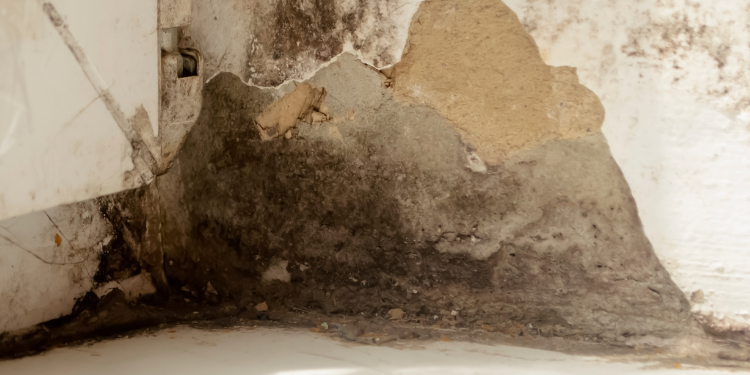
A couple in Historic Old Northeast called us after noticing peeling paint in a corner bedroom. They assumed it was just age-related wear. During a comprehensive Mold Inspection, we found elevated moisture in the wall and significant mold growth behind the plaster, likely from a slow roof leak after a previous tropical storm. Without testing and inspection, they would have simply repainted—trapping the problem and allowing it to spread.
“Mold doesn’t need a flood; it only needs consistent moisture and time.” — Indoor Environmental Professional
CALLOUT: In humid zones like St. Petersburg, preventing mold is less about “if” and more about “how quickly you identify and address it.” Early testing saves money and protects health.
What Professional Mold Testing Actually Tells You
Many homeowners assume that if they don’t see black spots or smell a strong odor, they’re in the clear. Unfortunately, mold is often microscopic and hidden. Professional Mold Testing goes far beyond a quick glance or a hardware-store kit.
A certified inspector uses a combination of:
- Air sampling to measure spore levels in different rooms
- Surface sampling to identify specific mold types
- Moisture meters and thermal imaging to find hidden damp areas
- Visual inspection of attics, crawlspaces, and mechanical rooms
This data is then compared to outdoor baseline levels and industry standards (such as IICRC S520 and EPA guidelines). That’s how you know whether what’s in your home is typical background mold or an indoor source that requires action.
A St. Pete landlord recently contacted us for Indoor Air Quality Testing after tenants complained of headaches and fatigue. No visible mold was present, and a previous handyman had “looked around and seen nothing.” Our testing revealed elevated levels of Aspergillus/Penicillium spores in the bedrooms, traced back to a small, active leak in the AC condensate line inside the wall.
“Lab-based testing turns vague concerns into clear information you can act on.” — Certified Mold Assessor
CALLOUT: Professional testing doesn’t just say “you have mold.” It tells you what kind, how much, where it’s coming from, and what needs to happen next.
Mold, Air Quality, and Your Family’s Health
Mold issues are ultimately indoor air quality issues. Every time your AC kicks on, it can distribute spores and fragments throughout the home, especially if there’s growth in or near your ductwork. That’s why many homeowners pair Indoor Air Quality Testing with a full Mold Inspection.
Common health complaints associated with poor indoor air quality and mold exposure include:
- Chronic coughing or wheezing
- Sinus congestion or frequent “colds”
- Headaches and fatigue
- Eye, nose, or throat irritation
- Worsening asthma or allergies
In coastal Florida, where pollen and humidity are naturally high, mold-related symptoms are often written off as “just allergies.” A family near Crescent Lake spent over a year rotating through allergy medications before their physician suggested looking into environmental causes. An Air Quality Monitoring assessment showed elevated spore counts in the home’s return vents. Once the mold source was identified and remediated, their symptoms improved dramatically.
“If symptoms improve when you leave home for a few days, your indoor environment needs a closer look.” — Local Allergy Specialist
Traditional vs. Modern Mold & Air Quality Approach
| Approach Type | Typical Method | Limitations | Modern Best Practice in St. Petersburg |
|---|---|---|---|
| “Sniff Test” & Visual Only | Look for stains, smell for mustiness | Misses hidden growth behind walls/ducts | Combine visual inspection with air sampling |
| DIY Store-Bought Kits | Petri dish left out in a room | No baseline; misinterprets normal spores | Lab-analyzed samples with outdoor comparison |
| Spot-Cleaning Visible Mold | Bleach or paint over affected area | Doesn’t address source or hidden moisture | Source removal guided by professional testing |
| Ignore Minor Health Complaints | Assume seasonal allergies | Prolonged exposure, especially for children | Proactive Environmental Assessment after leaks or symptoms |
CALLOUT: Modern testing gives you objective, lab-backed data—key when you’re making health decisions for your family or dealing with insurance, tenants, or contractors.
Hidden Mold: Why You Can’t Trust Your Eyes Alone
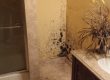
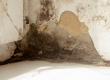
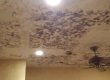
By the time mold is visible, it has often been active for weeks or months. Hidden mold is especially common in St. Petersburg homes after:
- Past roof or window leaks
- Hurricane or tropical storm damage
- Plumbing leaks inside walls
- Improperly vented bathrooms or dryers
A homeowner in the Pasadena area called us after noticing a faint discoloration along the base of a dining room wall. During Mold Inspection Services, we used thermal imaging to detect a temperature anomaly indicating moisture. Further investigation showed a slow leak from an exterior hose bib seeping into the wall cavity—feeding a large, hidden mold colony.
“You’re not just looking for mold; you’re looking for the conditions that allow mold to grow.” — Senior Mold Inspector
Where Hidden Mold Often Lives
- Behind kitchen cabinets on exterior walls
- Inside HVAC closets and around air handlers
- Under flooring in rooms that have flooded
- In attics near roof penetrations or soffits
- Inside wall cavities behind showers and tubs
This is where a targeted Professional Mold Testing strategy matters. Instead of guessing, inspectors gather samples from strategic locations, guided by moisture readings and building science. The result is a clear map of where mold is present and where it is not—critical for planning cost-effective remediation.
CALLOUT: Hidden mold is often more extensive (and more costly) than what you can see. Early detection keeps problems localized and manageable.
Black Mold, HVAC Systems, and When to Be Especially Concerned
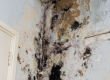
Few phrases worry homeowners more than “black mold.” While not every dark mold is toxic, certain species—like Stachybotrys chartarum—can produce mycotoxins and are associated with more severe health complaints, especially with long-term exposure.
A black stain doesn’t automatically mean toxic mold, but it does mean you should take it seriously. That’s where Toxic Mold Testing and Black Mold Inspection come in. Lab analysis identifies which species are present and at what levels.
In one St. Pete Beach condo, a seasonal resident returned to find black streaks around AC vents. A focused Residential Mold Testing and HVAC Mold Inspection revealed mold growth inside the air handler and on internal duct surfaces, caused by long periods of the unit being off in a humid, closed-up condo. The testing report helped guide proper cleaning and system adjustments to prevent recurrence.
“Your HVAC system can either be your best ally in controlling humidity—or the main vehicle spreading mold through your home.” — HVAC & Indoor Air Specialist
Cost Snapshot: Testing vs. Ignoring the Problem in St. Petersburg
| Scenario | Typical Upfront Cost (Local Range) | Potential Long-Term Cost if Ignored |
|---|---|---|
| Basic Home Mold Detection & Testing | Moderate | Low: Minor repairs, targeted cleaning |
| Adding HVAC-Focused Testing | Moderate–High | High: Duct replacement, system contamination |
| No Testing After a Known Leak | $0 | High: Structural damage, widespread mold |
| No Testing After Storm/Flood | $0 | Very High: Insurance disputes, gut renovations |
\Actual costs vary by home size, scope, and findings, but testing is consistently far less expensive than extensive remediation and repairs.
CALLOUT: Testing is a controlled, predictable expense. Unchecked mold and moisture issues are not.
How Professional Mold Testing Protects Your Investment
Your home is likely your largest asset. In St. Petersburg’s competitive real estate market, mold and moisture issues can affect:
- Property value and sale price
- Buyer confidence and inspection outcomes
- Insurance claims and coverage decisions
- Tenant satisfaction in rental properties
We’re seeing more buyers request Mold Detection Services as part of their due diligence, especially for older homes, waterfront properties, and houses with visible past repairs. Sellers who can provide a recent, clean testing report often move through inspection periods more smoothly and avoid last-minute negotiations.
A local investor purchasing a small apartment building near downtown requested Commercial Mold Testing before closing. Testing found one unit with elevated levels around a bathroom wall, indicating a plumbing leak. Because the issue was documented before the sale, the buyer negotiated repairs and a price adjustment, rather than inheriting an expensive surprise.
“Objective environmental data is powerful in real estate negotiations—it replaces fear and speculation with facts.” — Tampa Bay Real Estate Broker
CALLOUT: Testing isn’t just about today’s comfort. It’s about protecting resale value, avoiding disputes, and maintaining a healthy, marketable property.
What This Means for Homeowners in St. Petersburg
In a city like St. Petersburg—where afternoon thunderstorms, coastal humidity, and aging housing stock are part of normal life—mold testing isn’t a luxury. It’s a practical tool for managing the risks that come with our environment.
Here’s how it plays out locally:
- Storm Seasons: After heavy rains or tropical systems, even minor water intrusion can lead to mold within 24–48 hours. Proactive testing after leaks or flooding gives you a clear picture before repairs are closed up.
- Older Homes: Many of our charming bungalows and mid-century homes were built with materials and methods that don’t always align with modern moisture control. Professional Mold Inspection Services help identify vulnerabilities before they become chronic problems.
- High Usage of AC: Our reliance on air conditioning means ductwork, air handlers, and condensate lines play a big role in indoor moisture balance. Regular testing and inspection can catch issues in these systems early.
- Health-Sensitive Households: For families with asthma, allergies, or immune concerns, knowing the actual state of your indoor air is critical—not just for comfort, but for long-term health planning.
St. Petersburg’s growth and renovation boom also mean many homes are in transition—being flipped, updated, or expanded. Each construction phase is an opportunity for moisture to be improperly managed or for hidden issues to be sealed in. Independent Professional Mold Testingclarity, control, and confidence. You’ll know what’s happening behind the walls and in the air, you’ll have a clear plan to address any issues, and you’ll be able to move forward knowing your home is safer and healthier for everyone who lives there.
Frequently Asked Questions
Q: I don’t see any mold, but my home smells musty. Do I really need testing?
A: A musty or “earthy” odor is often the first sign of elevated moisture or hidden mold growth, especially in Florida’s humid climate. You may not see visible spots because the growth is behind walls, under flooring, or in your HVAC system. Professional Mold Inspection combined with Mold Testing can pinpoint whether the odor is related to an active mold problem or other issues like old carpeting or previous water damage. In St. Petersburg, where homes frequently experience minor leaks and high humidity, testing is often the most efficient way to rule out (or confirm) a hidden problem before it grows.
Q: Can I just use a hardware store mold test kit instead of hiring a professional?
A: Over-the-counter kits can be misleading. They typically collect spores that settle on a plate, but mold spores are naturally present in all indoor and outdoor air. Without a professional baseline and comparison to outdoor levels, you may end up worried about normal background mold or miss a serious issue entirely. A certified inspector uses calibrated equipment, multiple sample types, and lab analysis to interpret results accurately. They also combine testing with a full Environmental Assessment, moisture readings, and building science knowledge—especially valuable in our complex, humid St. Petersburg climate.
Q: How do I know if mold in my home is affecting my health?
A: Symptoms vary widely, but common complaints include chronic congestion, coughing, headaches, fatigue, and worsening asthma or allergies. If you notice that symptoms improve when you’re away from home (for work trips or vacations) and return when you’re back, that’s a strong indicator your indoor environment may be contributing. Indoor Air Quality Testing and Residential Mold Testing can identify whether elevated spores or certain species are present. While only a healthcare professional can diagnose medical conditions, having clear environmental data helps both you and your doctor make better-informed decisions.
Q: What’s the difference between a basic home inspection and a mold inspection?
A: A standard home inspection (such as for a real estate transaction) is primarily visual and focused on structural and mechanical systems. Inspectors may note visible mold-like growth but typically do not test, identify species, or measure spore levels. A dedicated Mold Inspection and Home Mold Detection service is more specialized: it includes moisture mapping, targeted sampling, and lab analysis. In St. Petersburg, where previous storm damage or older construction can hide problems, pairing a general home inspection with professional mold testing offers a much more complete picture.
Q: Is mold testing necessary if I’ve already hired a remediation company?
A: Yes—ideally, you should have independent testing both before and after remediation. Pre-remediation testing helps define the scope of work and identify all affected areas, so nothing is missed. Post-remediation verification testing confirms that the cleanup was successful and that spore levels have returned to normal ranges. Relying solely on the remediation contractor to “say it’s clean” can be a conflict of interest. Independent Professional Mold Testing gives you objective documentation, which is especially important for insurance claims, landlord-tenant issues, or peace of mind.
Q: How often should I have my home tested for mold in St. Petersburg?
A: There’s no one-size-fits-all schedule, but there are key times when testing is strongly recommended: after any significant leak or water damage, following a hurricane or major storm event, when purchasing a home (especially older or coastal properties), and whenever unexplained health symptoms arise that may be environmental. For homes with previous issues or sensitive occupants, periodic Air Quality Monitoring every few years can serve as a “checkup” on your indoor environment—similar to routine maintenance on your HVAC system.
Q: Does insurance cover mold testing and remediation?
A: Coverage varies widely by policy and by the cause of the mold. Many insurers in Florida have limitations or caps on mold-related claims, but they are often more receptive when you can document a specific, sudden event (like a burst pipe) and provide professional reports. Thorough Mold Testing and written findings from environmental professionals can support your claim and clarify the extent and source of the damage. It’s always a good idea to review your policy and speak with your agent, but having objective test results puts you in a stronger position in any discussion.
Ready to Get Started?
Mold doesn’t wait for a convenient time to become a problem. In St. Petersburg’s climate, it only takes a small, unnoticed leak or a few weeks of high humidity for spores to settle and grow behind the scenes. By the time stains appear or odors become strong, you’re often looking at a more extensive—and more expensive—issue.
Taking action now doesn’t have to be overwhelming. The first step is simply understanding what’s happening in your home. A professional Mold Testing and Mold Inspection visit provides clear, lab-backed information about your indoor environment and moisture conditions. From there, you’ll receive practical recommendations tailored to your specific situation—whether that means minor repairs, targeted cleaning, or coordinating with remediation professionals.
Tampa Bay Mold Testing has deep experience with local homes, weather patterns, and building styles. Our team is certified, independent, and focused solely on accurate assessment—not selling remediation work. If you’ve noticed musty odors, past water damage, unexplained health symptoms, or you simply want peace of mind, now is the right time to schedule an evaluation.
You don’t have to guess about the air your family is breathing. Get the facts—and a clear plan.
About Tampa Bay Mold Testing
Tampa Bay Mold Testing is a locally focused indoor environmental firm serving homeowners and businesses throughout St. Petersburg and the greater Tampa Bay area. Our certified inspectors specialize in Mold Testing Near Me, detailed Mold Inspection Services, and comprehensive Indoor Air Quality Testing. We operate as an independent testing company—meaning we don’t perform remediation—so our only job is to provide honest, accurate information you can trust. With years of local experience and a strong reputation for thorough, science-based reporting, we’ve helped countless Tampa Bay families protect their homes, health, and investments.